
Techniques for Expressive Blues Guitar Solos
Playing blues guitar solos is all about emotion and storytelling. When I pick up my guitar, I want every note to speak, to sing, and to connect.
August 10, 2026

Playing blues guitar solos is all about emotion and storytelling. When I pick up my guitar, I want every note to speak, to sing, and to connect. If you're looking to add more feeling and depth to your solos, you're in the right place. I'll share some of my favorite blues guitar solo techniques that help bring solos to life. These tips work whether you're just starting out or have been playing for years.
Mastering Blues Guitar Solo Techniques
Blues guitar soloing isn't just about playing fast or complicated licks. It's about expressing yourself. Here are some key techniques that can help you do just that:
1. Bending Notes with Feeling
Bending is a classic blues technique. It lets you mimic the human voice, adding a vocal-like quality to your playing. When you bend a note, you push the string up or down to raise its pitch. The trick is to bend just enough to hit the right pitch and hold it there for a moment.
- Start by practicing half-step bends.
- Listen carefully to the pitch you want to reach.
- Use your ear, not just your fingers.
- Try slow bends first, then add vibrato at the top of the bend for extra emotion.
2. Using Vibrato to Add Soul
Vibrato is a subtle shaking of the note that adds warmth and personality. It's like the difference between a flat, lifeless note and one that feels alive. To get a good vibrato:
- After bending or fretting a note, gently rock your finger back and forth.
- Keep the motion controlled and steady.
- Experiment with wide and narrow vibrato to see what fits the mood.
3. Sliding Into Notes
Sliding is another expressive tool. It's a smooth way to approach a note, making your solo sound more fluid. You can slide up or down to a target note, which adds a vocal-like glide.
- Practice sliding from a fret below or above the target note.
- Make sure the slide is clean and doesn't sound like a buzz.
- Combine slides with bends and vibrato for a rich sound.
4. Playing with Dynamics
Dynamics mean how loud or soft you play. Blues is full of emotional ups and downs, and your solo should reflect that. Don't just play every note at the same volume.
- Try starting a phrase softly and then gradually get louder.
- Use palm muting to create softer, choked notes.
- Let some notes ring out while others are short and punchy.
5. Call and Response Phrasing
This technique comes straight from the roots of blues music. It's like having a conversation with your guitar. You play a phrase (the call), then answer it with another phrase (the response).
- Keep your phrases short and clear.
- Use space between phrases to let the music breathe.
- Experiment with repeating a phrase and then changing it slightly.
Adding Personality with Blues Guitar Solo Techniques
Expressive solos come from your unique voice on the guitar. Here are some ways to make your solos stand out:
Use the Minor Pentatonic Scale as Your Base
The minor pentatonic scale is the backbone of most blues solos. It's simple but powerful. Start by mastering this scale in different positions on the neck. Once you're comfortable, add notes from the blues scale (which includes the "blue note") to spice things up.
Mix Major and Minor Sounds
Blues often blends major and minor tones to create tension and release. Try bending a minor third up to a major third. This little twist adds a lot of emotional color.
Experiment with Timing and Rhythm
Don't just play notes evenly. Play around with timing. Use syncopation, hold notes longer, or play some notes ahead or behind the beat. This gives your solo a natural, human feel.
Use Space Wisely
Sometimes, what you don't play is just as important as what you do. Leaving space between phrases lets your solo breathe and gives listeners time to absorb what you've played.
Practical Tips to Improve Your Blues Guitar Solos
Here are some actionable steps you can take to get better at expressive blues solos:
- Record Yourself: Listening back helps you hear what's working and what's not.
- Learn from the Greats: Study solos by legends like B.B. King, Stevie Ray Vaughan, and Eric Clapton.
- Play Along with Backing Tracks: This helps you practice soloing in a musical context.
- Slow Down: Practice solos slowly to focus on tone and expression.
- Use a Metronome: This keeps your timing tight while you experiment with rhythm.
Bringing It All Together in Your Solos
When you combine these techniques, your solos will start to tell stories. Remember, blues is about feeling, not perfection. Don't be afraid to make mistakes or try new things. The best solos come from honest expression.
Try this simple exercise:
- Pick a 12-bar blues backing track.
- Use the minor pentatonic scale to play a short phrase.
- Add a bend and hold it with vibrato.
- Slide into your next note.
- Leave a little space before your next phrase.
- Repeat, adding small variations each time.
This approach helps you build solos that sound natural and emotional.
Keep Growing Your Blues Guitar Voice
Expressive blues guitar solos take time and practice. Keep exploring new techniques and listening to different players. The more you play, the more your own style will shine through.
If you want to dive deeper, consider lessons that focus on blues phrasing and soloing. Whether you're in Cleveland or anywhere else, there are great resources to help you grow. Remember, the goal is to play the music you love with feeling and confidence.
Happy playing!
More Posts
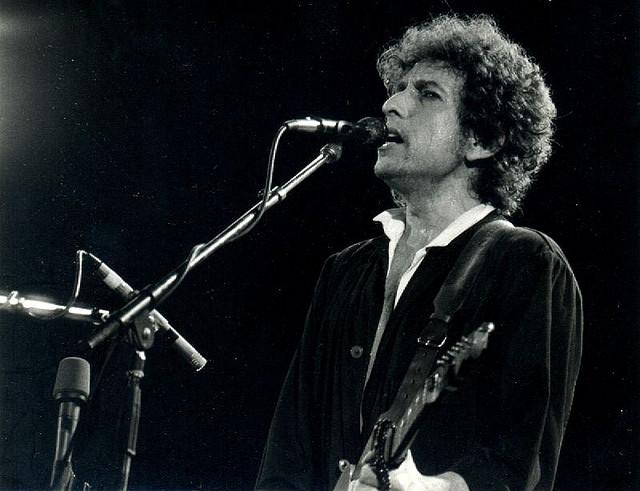
Bob Dylan's Hurricane
A new installment in my Songs for Singer-Songwriters series — the story behind Bob Dylan's 8-minute protest ballad "Hurricane," plus Jeff's handwritten chord chart to get you started.

Start Online Guitar Lessons as an Adult: Your Guide to Playing Guitar
Learning guitar as an adult can feel like a big step. Maybe you've always wanted to play but never found the time. Or perhaps you picked up a guitar years ago and want to get back into it.